🏡 The potential cost of sitting on the fence!

The Potential Cost of Waiting to Buy a Home

🤔 Are you waiting to buy?

Are you putting off buying your home, waiting and thinking that you will get a better deal at the end of the year, or some other time in the future?

There are a lot of things to consider, and it can feel overwhelming.


📉 You can’t time the market

If there is one thing that History has shown us, you can’t time the market. Yes, sometimes the stars align, but that is a rare occurrence.

When I bought my first home, my interest rate was 12.25%, and the rates went as high as 18% before they started coming back down.

We had the down payment and it did not stop us. We wanted to buy our first home, we were told the interest rate would go up.

We knew that rates would come down eventually and hopefully before we had to renew our mortgage.

👉 We all must make the decision that is right for us.


💡 If you’re ready financially…

If you are in a position financially right now to buy your home, then here are some points to consider.


📊 Ottawa Market Snapshot (2026)

It is now April 14, and the numbers are available for the first quarter or 2026. So, let’s look at some numbers.

The Ottawa real estate market is balanced and based on reports from sources such as CREA (Canadian Real Estate Association), and CMHC, Canada Mortgage and Housing Corporation, it will remain balanced throughout the year.

📈 The number of homes available is up 14.4 % compared to the first quarter of 2025.

📉 Although the number of homes sold for the first quarter are down 5.7% compared to the same period in 2025, and the average sale price is down 0.9% also for the same period, the home prices have risen, month to month in 2026.


📈 Average Sale Prices (Source: OREB)

🏠 Detached homes:

  • January $793,874

  • February $830,951

  • March $845,006

🏡 Townhomes:

  • January: $536,106

  • February: $539,639

  • March: 562,513

🏢 Condo/Apartments:

  • January: $388,307

  • February: $428,538

  • March: $401,656


📊 What does this mean?

You can see, with the exception of condo apartments, that the prices have risen month over month.

📈 That is an increase of around:

  • 6% for detached homes

  • 4.9% for townhomes

  • 3.43 % for condo apartments

I do not expect this rate of increase to continue based on past market cycles.


🔮 Market Predictions

Depending on which source you use, CMHC, CREA, or another, the predictions vary, from a 1% overall increase, to a 3.1% overall increase for the year.

It will differ for each property type based on home sales and number of available homes.


💸 Interest Rates Outlook

So far, the bank of Canada has held the key lending rate at 2.25%.

If we go by what most major economists are predicting, including CIBC, RBC, TD and National Bank, the overnight rate will likely remain steady at 2.25% for the entirety of 2026, though this is less certain now than before.

⚠️ Some outliers, like Scotiabank, predict a rise to 3.00% by the end of the year.

👉 That is not to say that lenders will not raise their rates.

For the sake of argument, Let’s say that the interest rates remain the same, so I won’t use this as a cost of waiting to buy.

📌 Please remember though, if the rates do go up, you will need to add it to the cost of sitting on the fence, waiting for a better purchase price.

👉 I will say, that I check in with different sources, and none of them are predicting a drop in home prices for Ottawa. We have already had that correction.


🧮 Let’s Run the Numbers

Let’s run some numbers. Since the predictions for home price increases range from 1% to 3.1%, let’s use 2%.

Also, since it is April, we will use the March sales numbers and a possession of July 1, leaving enough room to provide proper notice to landlords, to calculate the potential cost of sitting on the fence!


🏠 Detached:

Average sale Price March: $845,006. Projected December price: $861,906

👉 This is a difference of $16,900

The average rent for a 3-bedroom, 2-bath detached home is $3000. You can use your actual rent.

As mentioned earlier, we will start July 1, when you would take possession to calculate this cost and will include December.

👉 This number will be $18,000, with a total cost of $34,900


🏡 Townhouse:

Average sale Price March: $562,513. Projected December price: $573,763

👉 This is a difference of $11,250

The average rent for a 3-bedroom, 2-bath townhome is $2600. You can use your actual rent.

As mentioned earlier, we will start July 1, when you would take possession to calculate this cost and will include December.

👉 This number will be $15,600, with a total cost of $26,850


🏢 Apartment:

Average sale Price March: $401,656. Projected December price: $409,689

👉 This is a difference of $8,003

The average rent for a 2-bedroom, 1-bath apartment is $2100. You can use your actual rent.

As mentioned earlier, we will start July 1, when you would take possession to calculate this cost and will include December.

👉 This number will be $12,600, with a total cost of $20,603


⚖️ The Bottom Line

No one has a crystal ball. Prices and interest rates can change. No one can accurately predict the future. 

But based on current data and projections from sources like Canadian Real Estate Association, Canada Mortgage and Housing Corporation, and the Ottawa Real Estate Board:

👉 Waiting could cost you thousands of dollars

The real question isn’t:
“Is this the perfect time?”

It’s:
👉 “Am I ready—and does this move make sense for my life?”

Because when you’re ready…
That’s often the best time to act.


📲 Need Help Deciding?

If you’re unsure whether now is the right time to buy, let’s talk.

No pressure. Just real numbers, real data, and honest advice to help you make the right decision.

Read

Canadian Winters Reveal the Truth About a Home: What Ottawa Buyers Should Look for!

Buying a home in Ottawa isn’t just about layout, location, or curb appeal — winter puts every property to the test. Freezing temperatures, snow, ice, and fluctuating weather conditions in the Ottawa area can reveal issues you may never notice during warmer months.

If you’re house hunting in Ottawa, understanding how a home performs in winter can save you thousands in repairs and future headaches. Here’s a buyer-friendly, winter-focused checklist to help you make a smarter decision.


1. Heating Efficiency and Comfort

Ottawa winters are long and cold, so a home’s heating system matters more than ever.

What to look for:

  • Cold rooms or uneven temperatures

  • Older furnaces or baseboard heating systems nearing end of life

  • High heating bills from poor efficiency

Buyer tip: Ask about the age of the furnace, average winter utility costs, and whether the home has been upgraded for energy efficiency.


2. Insulation and Drafts

Drafty homes lose heat fast — and money with it, especially in Ottawa’s harsh winters.

Check for:

  • Cold air near windows and doors

  • Frost or condensation on window panes

  • Cold floors above garages or basements

Proper insulation is one of the biggest factors in winter comfort and long-term affordability.


3. Windows and Doors

Ottawa winters highlight window and door issues instantly.

Red flags include:

  • Single-pane or very old windows

  • Difficulty opening or closing doors in cold weather

  • Ice buildup around frames

Energy-efficient windows and well-sealed doors can significantly reduce heating costs.


4. Roof, Ice Dams, and Snow Load

Snow accumulation can reveal roofing problems quickly.

Look for:

  • Ice dams along roof edges

  • Uneven snow melting patterns

  • Icicles forming near eaves

These can indicate insulation or ventilation issues in the attic.


5. Foundation and Drainage Issues

Winter freeze-thaw cycles are hard on Ottawa foundations.

Watch for:

  • Cracks that widen in cold weather

  • Water pooling near the foundation after melting snow

  • Signs of past water intrusion in basements

Good grading and drainage are essential for long-term structural health.


6. Attic Ventilation

Poor attic ventilation traps moisture and heat — a bad combination in winter.

Potential warning signs:

  • Frost buildup in the attic

  • Musty smells

  • Ice dam formation

Proper ventilation helps protect the roof and improves energy efficiency.


7. Exterior Maintenance and Materials

Winter conditions reveal how durable a home’s exterior really is.

Check:

  • Cracked siding or peeling paint

  • Loose soffits or fascia

  • Railings and steps affected by ice

Low-maintenance materials can save buyers time and money long-term.


8. Driveways, Walkways, and Safety

Snow and ice show how functional a property is in real conditions.

Consider:

  • Sloped driveways that become slippery

  • Poorly lit walkways

  • Drainage issues that refreeze overnight

Safety and practicality matter just as much as appearance.


9. Garage and Entry Points

Garages and entrances often reveal heat loss problems.

Look for:

  • Cold drafts near entry doors

  • Uninsulated garage walls or ceilings

  • Ice buildup at thresholds

An insulated garage can make a noticeable difference in winter comfort.


10. The Big Picture: Winter Performance Matters

A home that performs well in Ottawa winters is usually well-built, properly maintained, and more affordable to own over time.

Smart buyers in 2026 aren’t just asking how a home looks — they’re asking how it handles Ottawa’s coldest months.


Final Buyer Tip

If possible, view homes with your Realtor during Ottawa’s colder months. Ask your Realtor targeted winter-related questions during showings. Winter can uncover hidden issues — but it can also confirm you’ve found a solid, well-cared-for home. Remember too, when you submit an offer for that “right” home, have an inspection clause. The Inspector will also check these items and report any issues or concerns to you.

Thinking ahead now helps ensure comfort, safety, and value for years to come.

Read

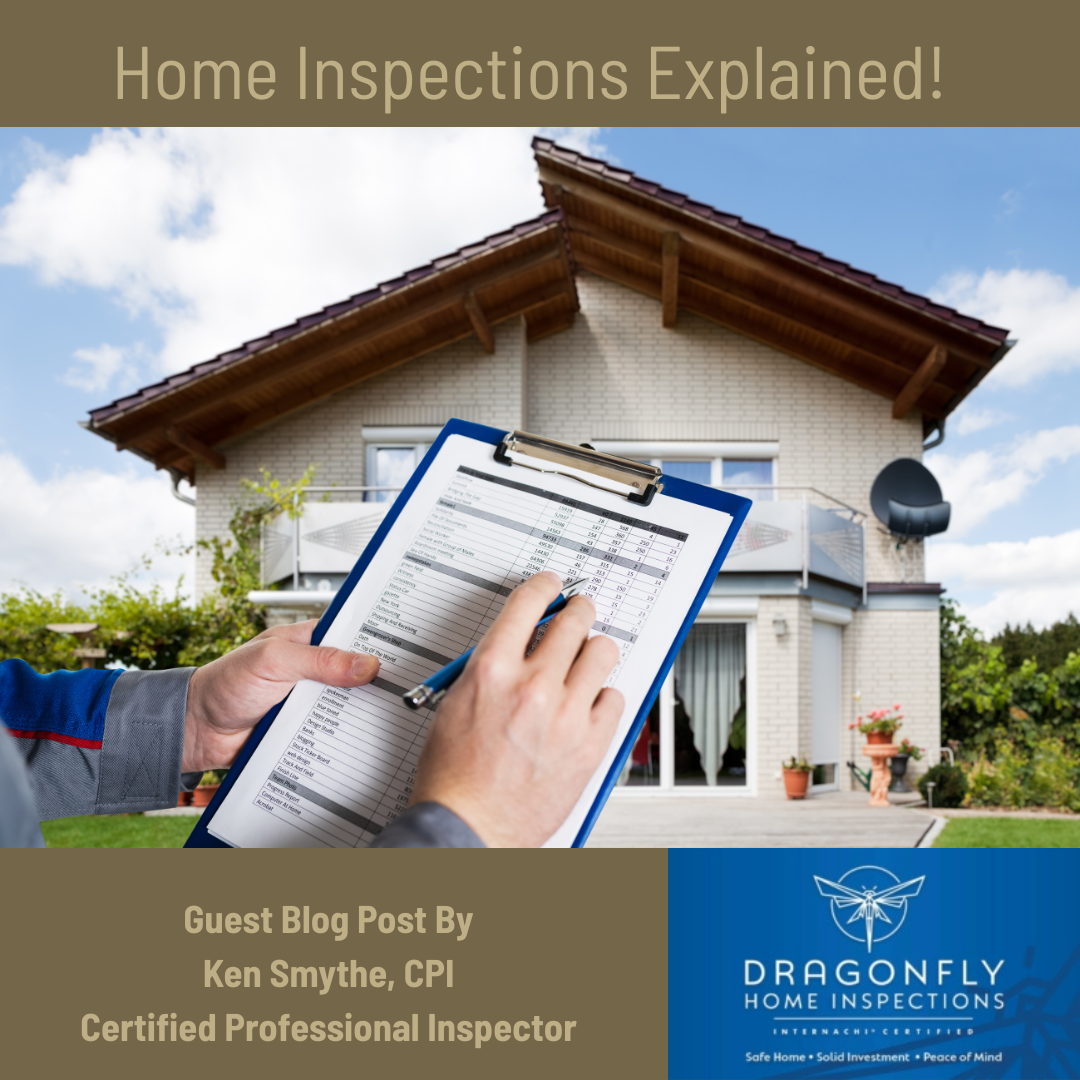
🏡 Home Inspections: What to Expect and Why They Matter

You’ve submitted an offer on a home—maybe even your forever home. One of the most important conditions of your offer is the home inspection. If this is your first time buying, the process might feel new and overwhelming. Even if you’ve been through it before, consider this a helpful refresher.

Let’s walk through the role of a home inspector, the inspection process, and why it’s such a valuable step in your purchase.


🕵️ The Role of Your Home Inspector

As a certified home inspector, my job is to carefully examine the property and identify any current or potential issues as per a set standards of practice. I provide a detailed report so you and your Realtor can make informed decisions about next steps.

Here’s what you can expect:
• ⏱ A typical detached home inspection takes about 3 hours, though larger homes may take longer.
• 📑 You’ll receive a full written report—usually within 24 hours—including photos and clear explanations.
• 🤝 We’ll review the findings together so you leave with a solid understanding of the home’s condition.

💡 Extra Peace of Mind: Every inspection also comes with a warranty. This provides added protection beyond the inspection itself, so you can move forward with more confidence. 👉 Click the link for full details. Warranty.


❓ Why Have a Home Inspection?

Here are the Top 5 Reasons every buyer should consider:

  1. 🕵️‍♂️ Uncover Hidden Issues – Problems like leaks, faulty wiring, or foundation cracks often go unseen during showings.

  2. 💰 Save Money Long-Term – Catching issues early can prevent expensive surprises down the road.

  3. 🤝 Negotiating Power – Use the results to renegotiate price or request repairs before closing.

  4. 🧘 Peace of Mind – Knowing the home’s true condition gives you confidence in your purchase.

  5. 📅 Future Planning – Even non-urgent issues give you a roadmap for future maintenance.


🔍 What Gets Inspected

During an inspection, I examine five key areas:

  1. 🏠 Roof & Exterior – Shingles, flashing, gutters, siding, grading.

  2. 🧱 Structure & Foundation – Stability, settling, cracks, moisture concerns.

  3. 🚰 Plumbing – Pipes, drains, water pressure, hot water tank.

  4. 💡 Electrical Systems – Wiring, panels, outlets, overall safety.

  5. ❄️🔥 Heating, Cooling & Ventilation – Furnace, AC, ductwork, efficiency.

⚠️ Note: Only safe and accessible areas are inspected—anything unsafe, hidden, or blocked can’t be evaluated.


📋 The Process Step by Step

Here’s how a typical inspection flows:

• 🌳 Exterior First – We start outside, working around the home. I use a drone to safely inspect the roof, shingles, vents, chimney, and flashing. Windows, doors, siding, bricks, and the garage (including openers) are also checked.

• 🏠 Interior Check – Inside, we’ll go through each level, inspecting doors, windows, outlets, smoke detectors, plumbing, and evidence of leaks.

• 🪜 Attic & Insulation – I’ll look for leaks, ventilation issues, and confirm insulation levels.

• 🌡 Thermal Imaging – Used as needed to help reveal hidden issues behind walls.

• 💬 Review & Tips – I explain everything in plain language, offer helpful maintenance advice, and answer your questions throughout.

🎯 My goal? For you to feel confident and knowledgeable about the home when we’re done. And if you think of questions later, I’m always available to clarify.


💰 Investment

• Condo inspections start at $425 + HST
• Freehold inspections start at $525 + HST
• 📑 Written report within 24 hours (with photos + clear explanations)
• 🤝 In-person review of findings so you leave with confidence

💡 Extra Peace of Mind: Every inspection comes with a warranty.  

🏘 Home Inspections for Sellers, Too

Inspections aren’t just for buyers—they’re just as valuable for sellers. A pre-listing inspection gives you the chance to:

• 🛠 Address repairs before hitting the market.
• 💵 Price the home realistically if you can’t fix certain issues.
• 🚫 Prevent surprises during negotiations.
• 🧘 Provide buyers with peace of mind up front.

I’ve partnered with Steve for over 5 years, and when you list with him, a pre-inspection can be part of your selling strategy. It’s a proactive step that sets you apart in today’s market.


✅ Bottom Line

Whether you’re buying or selling, a home inspection is one of the smartest investments you can make. It protects your wallet 💵, safety 🛡, and peace of mind 🧘.

Thank you Ken for this great information. To learn more about Ken and Dragonfly Home Inspections, click here

Read

Buying My Home

🏡 8 Smart Things Every Home Buyer Should Do Before Making an Offer

Buying a home is a big deal—whether it’s your first place or your fifth.
And while it’s easy to fall in love with a big backyard or those perfect kitchen counters, it’s even more important to slow down and make sure the home you love is actually the right one for you.

These 8 smart steps will help you avoid costly surprises, feel more confident, and buy your next home with peace of mind.


1. 💳 Get Pre-Approved for a Mortgage

Before you even start looking at homes, connect with a mortgage specialist and get pre-approved. It’s one of the smartest first steps you can take. Here’s why it matters:

  1. Know your true budget: A pre-approval gives you a realistic price range so you’re not wasting time (or falling in love with homes you can’t afford).

  2. Lock in your rate: Many lenders will hold your interest rate for 90–120 days—helpful if rates are on the rise.

  3. Strengthen your offer: Sellers take your offer more seriously when you’re pre-approved. It shows you’re ready and financially capable.

  4. Identify financial issues early: If there’s anything holding you back—like income verification or debt ratios—you’ll find out now, not during a deal.

  5. Check your credit report: Before applying, request your credit reports from both Equifax and TransUnion to ensure they’re accurate. Mistakes happen—and even a small error could affect your mortgage approval or interest rate.

Pro tip: Online mortgage calculators are helpful, but nothing beats sitting down with a real person who can give you strategy, options, and answers. Don’t have a Mortgage Specialist, click HERE


2. 🔍 Look Beyond the Surface

A fresh coat of paint and cute décor can make a home look amazing—but don’t let cosmetics distract you from the big picture. Look for:

  • Cracks in walls or ceilings

  • Water stains or musty smells (signs of moisture problems)

  • Uneven floors or doors that don’t close properly

  • Poor ventilation in kitchens or bathrooms

A good-looking home isn’t always a good investment—so pay attention to the structure and systems.


3. 📍 Check the Location (More Than Once)

The house might check every box, but how does the neighbourhood feel?

  • Visit at different times of day (morning, evening, weekend)

  • Take note of traffic, noise, and lighting

  • Check proximity to schools, stores, parks, and transit

  • Look into nearby developments or rezoning plans

  • Research crime rates and walkability

You’re not just buying a house—you’re joining a community.


4. 🛠️ Pay Attention to Big-Ticket Items

Be sure to ask the seller (or your inspector) about the age and condition of:

  • The roof

  • Windows and doors

  • Furnace and A/C

  • Electrical and plumbing

These major systems can be expensive to replace, and knowing their condition helps you budget and plan.


5. 💡 Ask About Energy Efficiency

An energy-efficient home is more comfortable and more affordable to live in. Ask about:

  • Updated windows and insulation

  • High-efficiency furnace or A/C

  • Energy Star-rated appliances

  • Smart thermostats or water-saving fixtures

A drafty home may cost you more in heating and cooling than you expect.


6. 💰 Know the Real Costs

Your mortgage isn’t the only cost to consider. Budget for:

  • Property taxes

  • Utility bills

  • Home insurance

  • Maintenance and repairs

  • Condo or association fees (if applicable)

Understanding the full picture of your monthly expenses will help you avoid financial stress after you move in.


7. 👷‍♂️ Never Skip the Home Inspection

Even if the home looks “move-in ready,” a professional inspection is a must.

Inspectors will check:

  • Foundation and structure

  • Roof and attic

  • Electrical and plumbing

  • HVAC, moisture issues, and more

This gives you peace of mind—or leverage to renegotiate if needed. Learn More HERE


8. 🧠 Pause, Reflect, and Decide

It’s easy to feel rushed, especially in a competitive market. But this is a big decision—one worth thinking through.

  • Sleep on it before submitting an offer

  • Picture your day-to-day life in the home

  • Discuss it with someone you trust

  • Make sure it meets your needs now and in the future

A well-thought-out decision is one you won’t regret.


Final Thoughts

There’s a lot to think about when buying a home—but taking the time to do your homework will pay off in confidence, savings, and peace of mind.

If you're starting your home search and want someone by your side who can spot red flags, explain the fine print, and help you make the right call, I’d be happy to help.

📩 Let’s connect and get you one step closer to your new home. Reach me here: Connect


Read

The Home Buying Process: A Step-by-Step Guide from Search to Closing

Buying a home is an exciting journey, but it can also feel overwhelming, especially if you're a first-time buyer. With so many steps involved, it's easy to get lost along the way. This guide will walk you through the entire home buying process, from your initial search to closing the deal, ensuring you're well-prepared at every stage.

1. Determine Your Budget

Before you start browsing homes, it’s crucial to understand what you can afford. Calculate your budget by considering your savings, monthly income, current debts, and future financial goals. Remember to account for the down payment, closing costs, and ongoing expenses like property taxes, insurance, and maintenance.

Tip: Most experts recommend that your monthly mortgage payment should not exceed 28% - 32% of your gross monthly income.

2. Get Pre-Approved for a Mortgage

Once you have a budget in mind, the next step is to get pre-approved for a mortgage. A pre-approval letter from a lender shows sellers that you’re a serious buyer with the financial backing to purchase a home. It also gives you a clear idea of how much you can borrow, so you can focus your search on homes within your budget.

Tip: Shop around for mortgage rates and terms  from different lenders to ensure you get the best deal. It isn't all about the rate!

3. Find a Realtor

Now that you’re pre-approved, it’s time to find a Realtor who can guide you through the home buying process. A knowledgeable and experienced Realtor will help you navigate the market, provide valuable insights, negotiate on your behalf, and handle the paperwork. Look for someone who understands your needs, has a strong track record, and is familiar with the local area.

Tip: Ask for recommendations from friends and family, and interview a few Realtors to find one who is a good fit for you.

4. Start House Hunting

With your pre-approval and Realtor by your side, it’s time for the fun part—house hunting! Begin by identifying your needs and wants in a home, such as the number of bedrooms, location, and proximity to schools or work. Your Realtor will set up your personal search using this criteria.so that you only receive homes that meet your criteria, and not he ones that don't!

Tip: Keep an open mind and consider both your immediate needs and future plans. A bit of flexibility can help you find a home that fits your lifestyle.

5. Make an Offer

Once you’ve found the perfect home, it’s time to make an offer. Your Realtor will help you craft a competitive offer based on the market conditions, the property’s condition, and recent sales of similar homes in the area. Be prepared for negotiations; the seller might counter your offer, and you may need to go back and forth a few times before reaching an agreement.

Tip: Your Realtor will include conditions in the offer,  such as financing and inspection conditions, to protect yourself in case something goes wrong.

6. Get a Home Inspection

After your offer is accepted, You will be required to submit a deposit (it counts towards the down payment), and your Realtor will schedule a home inspection. This is a crucial step that can reveal potential issues with the property, such as structural damage or outdated systems. If the inspection uncovers significant problems, you may need to renegotiate the price or ask the seller to make repairs before closing.. Alternatively, you could withdraw the offer and receive your deposit back in full.

Tip: It is important to attend the inspection with your Realtor, so you can ask questions and gain a better understanding of the property’s condition.. Inspectors do take the time to explain and point out anything they find.

7. Secure Your Financing

Your lender will be working to finalize your mortgage approval during the conditions phase.. This is to ensure that the home meets with their approval. This process involves providing additional documentation, the accepted offer and proof of deposit. Potentially the lender will arrange a home appraisal. The lender will also conduct a final review of your financial situation to ensure nothing has changed since your pre-approval.

Tip: Avoid making major financial changes during this period, such as switching jobs or taking on new debt, as this could jeopardy!

Read
Categories:   benefits of downsizing at any age | Can I negotiate my mortgage renewal rate | checklist | cost of renting vs buying | downsize | downsizing | downsizing for families not just seniors | downsizing home seniors | downsizing Ottawa Orléans | empty nesters | essential spring home maintenance tasks | First time buyers | first time home buyer | first time home buyer vs renting | home buyers | home buying | home buying costs | home buying mistakes Canada | home buying mistakes to avoid | home buying tips | home checklist | home inspection | home inspections | home maintenance | home maintenance tips for spring | home owners | home ownership | home prices ottawa | home repairs | home selling | homeowners | housing market | housing market Ottawa | how to increase home value before selling | how to prepare your home for sale | how to prepare your home for spring | How to save money on mortgage renewal | how to simplify your home and lifestyle | how winter affects home buying decisions | is now a good time to buy a home | lifestyle | maintenance | mistakes after mortgage approval home buyers | mortgage | mortgage approval | mortgage renewal | mortgage renewal mistakes to avoid | mortgage renewal mistakes to avoid Canada | mortgage renewal strategies homeowners | mortgage renewal tips | mortgage renewals | mortgages | Moving | Orleans Real Estate Agent | Orleans Realtor | ost of waiting to buy a home | ost of waiting to buy a home Ottawa | ottawa real estate | Ottawa Real Estate Agent | Ottawa Realtor | post winter home maintenance checklist | preventative home maintenance tips | Real Estate | real estate agent | Real Estate Agent in Orleans | Real Estate Agent in Ottawa | realtor | Realtor in Orleans | Realtor in Ottawa | renting vs buying Ottawa pros and cons | retirees | retirement | rightsize | rightsizing | Seniors Real Estate Specialist® | should I buy a house now or wait | should I rent or buy a home | signs your home no longer fits your life | spring | spring home maintenance | spring home maintenance checklist | spring maintenance checklist for homeowners | SRES® | staging | steps before buying a home | what do home inspectors check | what not to do after mortgage approval | what to look for when buying a house in winter Canada | When should I start my mortgage renewal | when to downsize | when to downsize your home | why credit matters before closing day | why home inspections are important | winter home buying tips Ottawa Ontario
This website may only be used by consumers that have a bona fide interest in the purchase, sale, or lease of real estate of the type being offered via the website. The data relating to real estate on this website comes in part from the MLS® Reciprocity program of the PropTx MLS®. The data is deemed reliable but is not guaranteed to be accurate.