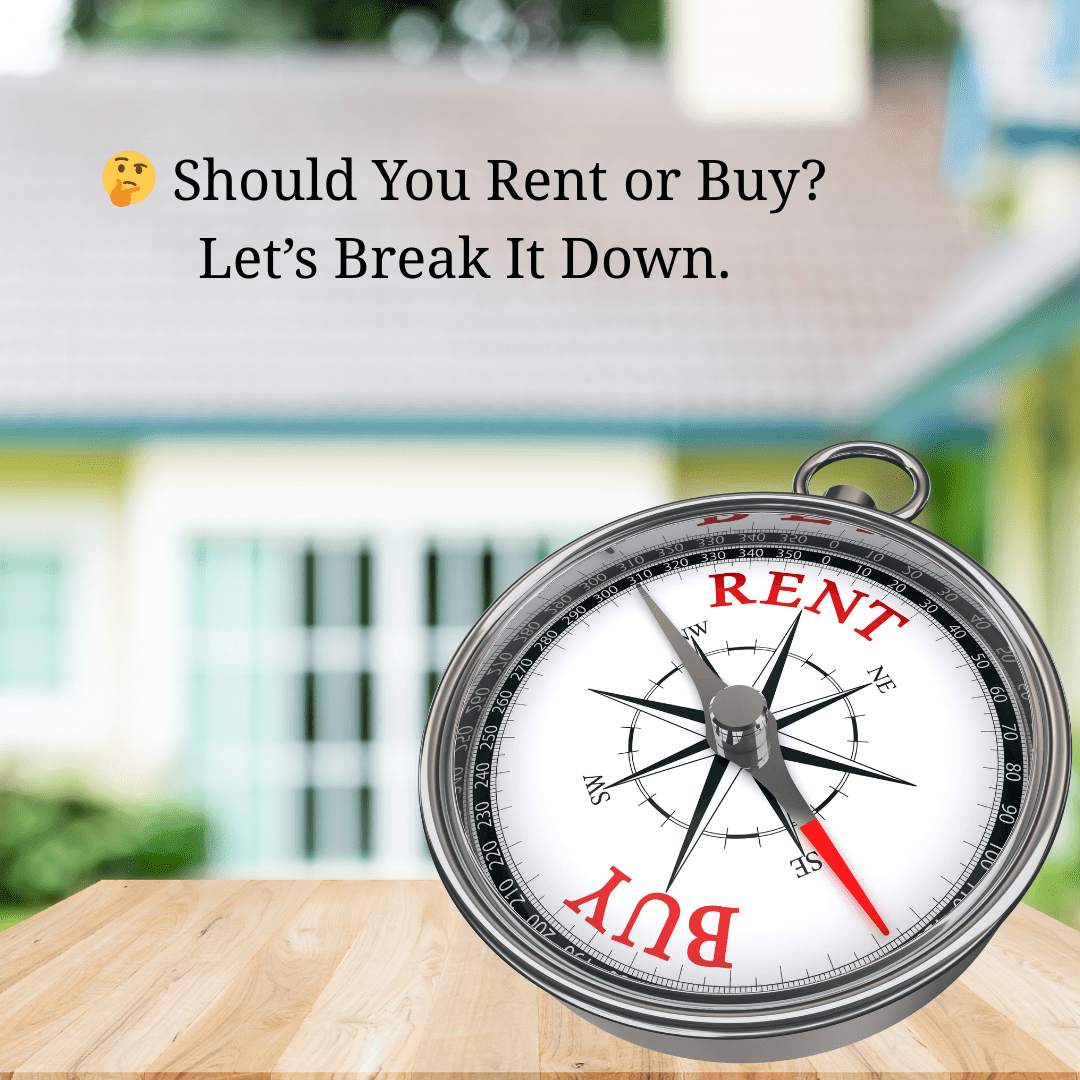
💰 Are You Building Your Wealth… or Your Landlord’s?

Renting vs. Buying: Pros and Cons

When it comes to housing, one of the biggest questions people face is whether to rent or buy. Both options come with their own pros and cons, and the right choice often depends on your financial situation, lifestyle, and long-term goals. It used to be that monthly rent was lower than a mortgage payment, that is not really the case anymore, depending on how much of a down payment you have and the price of the home you are buying.

It is also important to note that the rent your landlord charges does include their costs, mortgage, property taxes, and if applicable, condo or association fees. If done correctly, it will also include their insurance and a percentage for ongoing maintenance and risk, usually around 5%.

Typically, you are responsible for all utilities, water, hydro, gas, and of course internet, tv, home phone. You are also required to have insurance. There are instances, for the most part, with condos, that some of these could be included, however, not internet, tv, phone, and your insurance. 

That said, this is a personal choice for each person and their unique situation.  

Pros of Renting

  • Flexibility: Renting gives you more freedom to move. If you’re not sure how long you’ll be living where you are, renting might be the better option.

  • Lower upfront costs: Renters don’t have to worry about a down payment, closing costs, or other expenses tied to purchasing a home. In a range of 1.5% to 4% of the price of the home. included are land transfer tax, legal fees, home inspection fees, appraisal fees, and title costs. First-time homebuyers may be eligible for rebates, such as the First-Time Home Buyers' Tax Credit and Land Transfer Tax rebates, which can help offset these expenses. 

  • No maintenance responsibilities: Repairs and upkeep are typically the landlord’s responsibility. Note that landscaping and snow removal could be the renters responsibility, under specific agreements.

  • Predictable payments: Rent is usually fixed for the length of the lease, making it easier to budget.

Cons of Renting

  • Less stability: A landlord may decide not to renew your lease or could increase rent when your lease ends. (There are rules and procedures to follow. There are limits to the increase allowed and landlords cannot have you leave, except for specific circumstances, for example, they are moving back in, they are selling and the new owner is moving in.) I strongly suggest reading the Landlord Tenant Act!

  • No equity building: Your rent payments don’t go toward ownership; they’re simply an expense.

  • Limited control: You can’t always customize or renovate your rental to suit your preferences.

Pros of Buying

  • Equity building: Every mortgage payment helps you build ownership in your home, which can grow your wealth over time.

  • Stability: You don’t have to worry about moving because a landlord wants to sell or increase the rent.

  • Creative freedom: You can renovate, decorate, and make the space truly yours.

  • Potential appreciation: Ottawa real estate has historically increased in value over the long term, which can benefit homeowners when it comes time to sell.

  • Financial advantage: Unlike renting, your payments contribute to an asset you own. Over time, as your mortgage balance decreases and your home’s value increases, you build equity that strengthens your financial position. Homeowners can also borrow against their equity if needed — an option renters don’t have.

Cons of Buying

  • Upfront costs: You’ll need a down payment, closing costs, and other fees when purchasing a home.

  • Ongoing responsibilities: Maintenance, repairs, and property management all fall on you.

  • Market risk: Home values can fluctuate, and go down as well as up, depending on the market, just like the stock market and unless you are selling, over time, this is less of an issue.


In closing, it is a very personal decision, and for some like it was for my mother, owning is not an option. Times have changed, the salary to purchase price ratio has made it tougher to buy a first home. If you are willing to go the route that my friends, colleagues, family and I had to do, buy a starter home, and work up to your dream home, there are options that I am happy to discuss with you.

Click HERE if you have questions or would like to discuss your options. 
Read

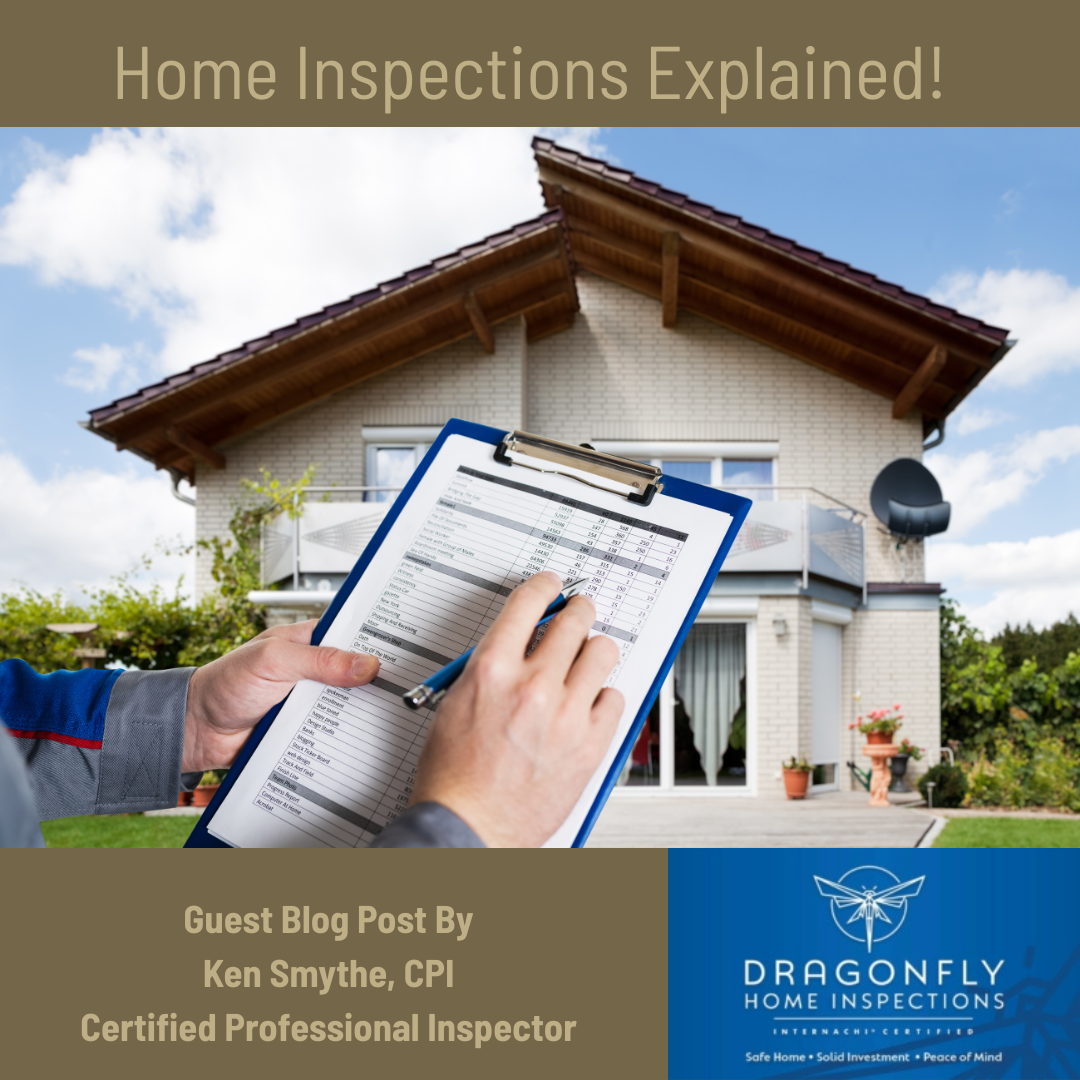
🏡 Home Inspections: What to Expect and Why They Matter

You’ve submitted an offer on a home—maybe even your forever home. One of the most important conditions of your offer is the home inspection. If this is your first time buying, the process might feel new and overwhelming. Even if you’ve been through it before, consider this a helpful refresher.

Let’s walk through the role of a home inspector, the inspection process, and why it’s such a valuable step in your purchase.


🕵️ The Role of Your Home Inspector

As a certified home inspector, my job is to carefully examine the property and identify any current or potential issues as per a set standards of practice. I provide a detailed report so you and your Realtor can make informed decisions about next steps.

Here’s what you can expect:
• ⏱ A typical detached home inspection takes about 3 hours, though larger homes may take longer.
• 📑 You’ll receive a full written report—usually within 24 hours—including photos and clear explanations.
• 🤝 We’ll review the findings together so you leave with a solid understanding of the home’s condition.

💡 Extra Peace of Mind: Every inspection also comes with a warranty. This provides added protection beyond the inspection itself, so you can move forward with more confidence. 👉 Click the link for full details. Warranty.


❓ Why Have a Home Inspection?

Here are the Top 5 Reasons every buyer should consider:

  1. 🕵️‍♂️ Uncover Hidden Issues – Problems like leaks, faulty wiring, or foundation cracks often go unseen during showings.

  2. 💰 Save Money Long-Term – Catching issues early can prevent expensive surprises down the road.

  3. 🤝 Negotiating Power – Use the results to renegotiate price or request repairs before closing.

  4. 🧘 Peace of Mind – Knowing the home’s true condition gives you confidence in your purchase.

  5. 📅 Future Planning – Even non-urgent issues give you a roadmap for future maintenance.


🔍 What Gets Inspected

During an inspection, I examine five key areas:

  1. 🏠 Roof & Exterior – Shingles, flashing, gutters, siding, grading.

  2. 🧱 Structure & Foundation – Stability, settling, cracks, moisture concerns.

  3. 🚰 Plumbing – Pipes, drains, water pressure, hot water tank.

  4. 💡 Electrical Systems – Wiring, panels, outlets, overall safety.

  5. ❄️🔥 Heating, Cooling & Ventilation – Furnace, AC, ductwork, efficiency.

⚠️ Note: Only safe and accessible areas are inspected—anything unsafe, hidden, or blocked can’t be evaluated.


📋 The Process Step by Step

Here’s how a typical inspection flows:

• 🌳 Exterior First – We start outside, working around the home. I use a drone to safely inspect the roof, shingles, vents, chimney, and flashing. Windows, doors, siding, bricks, and the garage (including openers) are also checked.

• 🏠 Interior Check – Inside, we’ll go through each level, inspecting doors, windows, outlets, smoke detectors, plumbing, and evidence of leaks.

• 🪜 Attic & Insulation – I’ll look for leaks, ventilation issues, and confirm insulation levels.

• 🌡 Thermal Imaging – Used as needed to help reveal hidden issues behind walls.

• 💬 Review & Tips – I explain everything in plain language, offer helpful maintenance advice, and answer your questions throughout.

🎯 My goal? For you to feel confident and knowledgeable about the home when we’re done. And if you think of questions later, I’m always available to clarify.


💰 Investment

• Condo inspections start at $425 + HST
• Freehold inspections start at $525 + HST
• 📑 Written report within 24 hours (with photos + clear explanations)
• 🤝 In-person review of findings so you leave with confidence

💡 Extra Peace of Mind: Every inspection comes with a warranty.  

🏘 Home Inspections for Sellers, Too

Inspections aren’t just for buyers—they’re just as valuable for sellers. A pre-listing inspection gives you the chance to:

• 🛠 Address repairs before hitting the market.
• 💵 Price the home realistically if you can’t fix certain issues.
• 🚫 Prevent surprises during negotiations.
• 🧘 Provide buyers with peace of mind up front.

I’ve partnered with Steve for over 5 years, and when you list with him, a pre-inspection can be part of your selling strategy. It’s a proactive step that sets you apart in today’s market.


✅ Bottom Line

Whether you’re buying or selling, a home inspection is one of the smartest investments you can make. It protects your wallet 💵, safety 🛡, and peace of mind 🧘.

Thank you Ken for this great information. To learn more about Ken and Dragonfly Home Inspections, click here

Read

Buying My Home

🏡 8 Smart Things Every Home Buyer Should Do Before Making an Offer

Buying a home is a big deal—whether it’s your first place or your fifth.
And while it’s easy to fall in love with a big backyard or those perfect kitchen counters, it’s even more important to slow down and make sure the home you love is actually the right one for you.

These 8 smart steps will help you avoid costly surprises, feel more confident, and buy your next home with peace of mind.


1. 💳 Get Pre-Approved for a Mortgage

Before you even start looking at homes, connect with a mortgage specialist and get pre-approved. It’s one of the smartest first steps you can take. Here’s why it matters:

  1. Know your true budget: A pre-approval gives you a realistic price range so you’re not wasting time (or falling in love with homes you can’t afford).

  2. Lock in your rate: Many lenders will hold your interest rate for 90–120 days—helpful if rates are on the rise.

  3. Strengthen your offer: Sellers take your offer more seriously when you’re pre-approved. It shows you’re ready and financially capable.

  4. Identify financial issues early: If there’s anything holding you back—like income verification or debt ratios—you’ll find out now, not during a deal.

  5. Check your credit report: Before applying, request your credit reports from both Equifax and TransUnion to ensure they’re accurate. Mistakes happen—and even a small error could affect your mortgage approval or interest rate.

Pro tip: Online mortgage calculators are helpful, but nothing beats sitting down with a real person who can give you strategy, options, and answers. Don’t have a Mortgage Specialist, click HERE


2. 🔍 Look Beyond the Surface

A fresh coat of paint and cute décor can make a home look amazing—but don’t let cosmetics distract you from the big picture. Look for:

  • Cracks in walls or ceilings

  • Water stains or musty smells (signs of moisture problems)

  • Uneven floors or doors that don’t close properly

  • Poor ventilation in kitchens or bathrooms

A good-looking home isn’t always a good investment—so pay attention to the structure and systems.


3. 📍 Check the Location (More Than Once)

The house might check every box, but how does the neighbourhood feel?

  • Visit at different times of day (morning, evening, weekend)

  • Take note of traffic, noise, and lighting

  • Check proximity to schools, stores, parks, and transit

  • Look into nearby developments or rezoning plans

  • Research crime rates and walkability

You’re not just buying a house—you’re joining a community.


4. 🛠️ Pay Attention to Big-Ticket Items

Be sure to ask the seller (or your inspector) about the age and condition of:

  • The roof

  • Windows and doors

  • Furnace and A/C

  • Electrical and plumbing

These major systems can be expensive to replace, and knowing their condition helps you budget and plan.


5. 💡 Ask About Energy Efficiency

An energy-efficient home is more comfortable and more affordable to live in. Ask about:

  • Updated windows and insulation

  • High-efficiency furnace or A/C

  • Energy Star-rated appliances

  • Smart thermostats or water-saving fixtures

A drafty home may cost you more in heating and cooling than you expect.


6. 💰 Know the Real Costs

Your mortgage isn’t the only cost to consider. Budget for:

  • Property taxes

  • Utility bills

  • Home insurance

  • Maintenance and repairs

  • Condo or association fees (if applicable)

Understanding the full picture of your monthly expenses will help you avoid financial stress after you move in.


7. 👷‍♂️ Never Skip the Home Inspection

Even if the home looks “move-in ready,” a professional inspection is a must.

Inspectors will check:

  • Foundation and structure

  • Roof and attic

  • Electrical and plumbing

  • HVAC, moisture issues, and more

This gives you peace of mind—or leverage to renegotiate if needed. Learn More HERE


8. 🧠 Pause, Reflect, and Decide

It’s easy to feel rushed, especially in a competitive market. But this is a big decision—one worth thinking through.

  • Sleep on it before submitting an offer

  • Picture your day-to-day life in the home

  • Discuss it with someone you trust

  • Make sure it meets your needs now and in the future

A well-thought-out decision is one you won’t regret.


Final Thoughts

There’s a lot to think about when buying a home—but taking the time to do your homework will pay off in confidence, savings, and peace of mind.

If you're starting your home search and want someone by your side who can spot red flags, explain the fine print, and help you make the right call, I’d be happy to help.

📩 Let’s connect and get you one step closer to your new home. Reach me here: Connect


Read

The Home Buying Process: A Step-by-Step Guide from Search to Closing

Buying a home is an exciting journey, but it can also feel overwhelming, especially if you're a first-time buyer. With so many steps involved, it's easy to get lost along the way. This guide will walk you through the entire home buying process, from your initial search to closing the deal, ensuring you're well-prepared at every stage.

1. Determine Your Budget

Before you start browsing homes, it’s crucial to understand what you can afford. Calculate your budget by considering your savings, monthly income, current debts, and future financial goals. Remember to account for the down payment, closing costs, and ongoing expenses like property taxes, insurance, and maintenance.

Tip: Most experts recommend that your monthly mortgage payment should not exceed 28% - 32% of your gross monthly income.

2. Get Pre-Approved for a Mortgage

Once you have a budget in mind, the next step is to get pre-approved for a mortgage. A pre-approval letter from a lender shows sellers that you’re a serious buyer with the financial backing to purchase a home. It also gives you a clear idea of how much you can borrow, so you can focus your search on homes within your budget.

Tip: Shop around for mortgage rates and terms  from different lenders to ensure you get the best deal. It isn't all about the rate!

3. Find a Realtor

Now that you’re pre-approved, it’s time to find a Realtor who can guide you through the home buying process. A knowledgeable and experienced Realtor will help you navigate the market, provide valuable insights, negotiate on your behalf, and handle the paperwork. Look for someone who understands your needs, has a strong track record, and is familiar with the local area.

Tip: Ask for recommendations from friends and family, and interview a few Realtors to find one who is a good fit for you.

4. Start House Hunting

With your pre-approval and Realtor by your side, it’s time for the fun part—house hunting! Begin by identifying your needs and wants in a home, such as the number of bedrooms, location, and proximity to schools or work. Your Realtor will set up your personal search using this criteria.so that you only receive homes that meet your criteria, and not he ones that don't!

Tip: Keep an open mind and consider both your immediate needs and future plans. A bit of flexibility can help you find a home that fits your lifestyle.

5. Make an Offer

Once you’ve found the perfect home, it’s time to make an offer. Your Realtor will help you craft a competitive offer based on the market conditions, the property’s condition, and recent sales of similar homes in the area. Be prepared for negotiations; the seller might counter your offer, and you may need to go back and forth a few times before reaching an agreement.

Tip: Your Realtor will include conditions in the offer,  such as financing and inspection conditions, to protect yourself in case something goes wrong.

6. Get a Home Inspection

After your offer is accepted, You will be required to submit a deposit (it counts towards the down payment), and your Realtor will schedule a home inspection. This is a crucial step that can reveal potential issues with the property, such as structural damage or outdated systems. If the inspection uncovers significant problems, you may need to renegotiate the price or ask the seller to make repairs before closing.. Alternatively, you could withdraw the offer and receive your deposit back in full.

Tip: It is important to attend the inspection with your Realtor, so you can ask questions and gain a better understanding of the property’s condition.. Inspectors do take the time to explain and point out anything they find.

7. Secure Your Financing

Your lender will be working to finalize your mortgage approval during the conditions phase.. This is to ensure that the home meets with their approval. This process involves providing additional documentation, the accepted offer and proof of deposit. Potentially the lender will arrange a home appraisal. The lender will also conduct a final review of your financial situation to ensure nothing has changed since your pre-approval.

Tip: Avoid making major financial changes during this period, such as switching jobs or taking on new debt, as this could jeopardy!

Read
Categories:   benefits of downsizing at any age | Can I negotiate my mortgage renewal rate | checklist | cost of renting vs buying | downsize | downsizing | downsizing for families not just seniors | downsizing home seniors | downsizing Ottawa Orléans | empty nesters | essential spring home maintenance tasks | First time buyers | first time home buyer | first time home buyer vs renting | home buyers | home buying | home buying mistakes Canada | home buying mistakes to avoid | home buying tips | home checklist | home inspection | home inspections | home maintenance | home maintenance tips for spring | home owners | home ownership | home repairs | home selling | homeowners | how to increase home value before selling | how to prepare your home for sale | how to prepare your home for spring | How to save money on mortgage renewal | how to simplify your home and lifestyle | how winter affects home buying decisions | lifestyle | maintenance | mistakes after mortgage approval home buyers | mortgage | mortgage approval | mortgage renewal | mortgage renewal mistakes to avoid | mortgage renewal mistakes to avoid Canada | mortgage renewal strategies homeowners | mortgage renewal tips | mortgage renewals | mortgages | Moving | Orleans Real Estate Agent | Orleans Realtor | Ottawa Real Estate Agent | Ottawa Realtor | post winter home maintenance checklist | preventative home maintenance tips | Real Estate | real estate agent | Real Estate Agent in Orleans | Real Estate Agent in Ottawa | realtor | Realtor in Orleans | Realtor in Ottawa | renting vs buying Ottawa pros and cons | retirees | retirement | rightsize | rightsizing | Seniors Real Estate Specialist® | should I rent or buy a home | signs your home no longer fits your life | spring | spring home maintenance | spring home maintenance checklist | spring maintenance checklist for homeowners | SRES® | staging | steps before buying a home | what do home inspectors check | what not to do after mortgage approval | what to look for when buying a house in winter Canada | When should I start my mortgage renewal | when to downsize | when to downsize your home | why credit matters before closing day | why home inspections are important | winter home buying tips Ottawa Ontario
This website may only be used by consumers that have a bona fide interest in the purchase, sale, or lease of real estate of the type being offered via the website. The data relating to real estate on this website comes in part from the MLS® Reciprocity program of the PropTx MLS®. The data is deemed reliable but is not guaranteed to be accurate.